About
Plufo set out to revolutionize children's online education by establishing a dynamic and interactive multi-subject learning platform. Envisioned as a comprehensive EdTech ecosystem for children aged 6-14, Plufo aimed to transform passive screen time into an engaging and effective learning journey, akin to personalized tutoring but scalable across diverse subjects like Maths, English, Science, and Coding. The goal was to foster deep conceptual understanding, cultivate a genuine love for learning, and provide a holistic digital environment for students, parents, and educators.
Styles
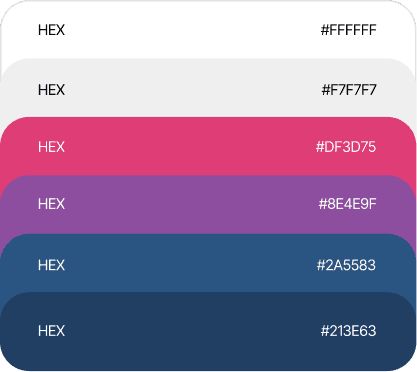
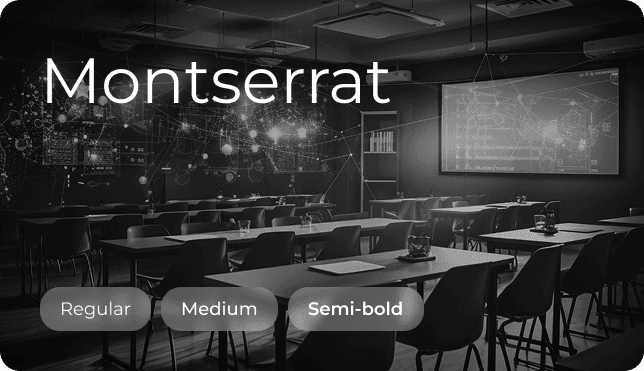
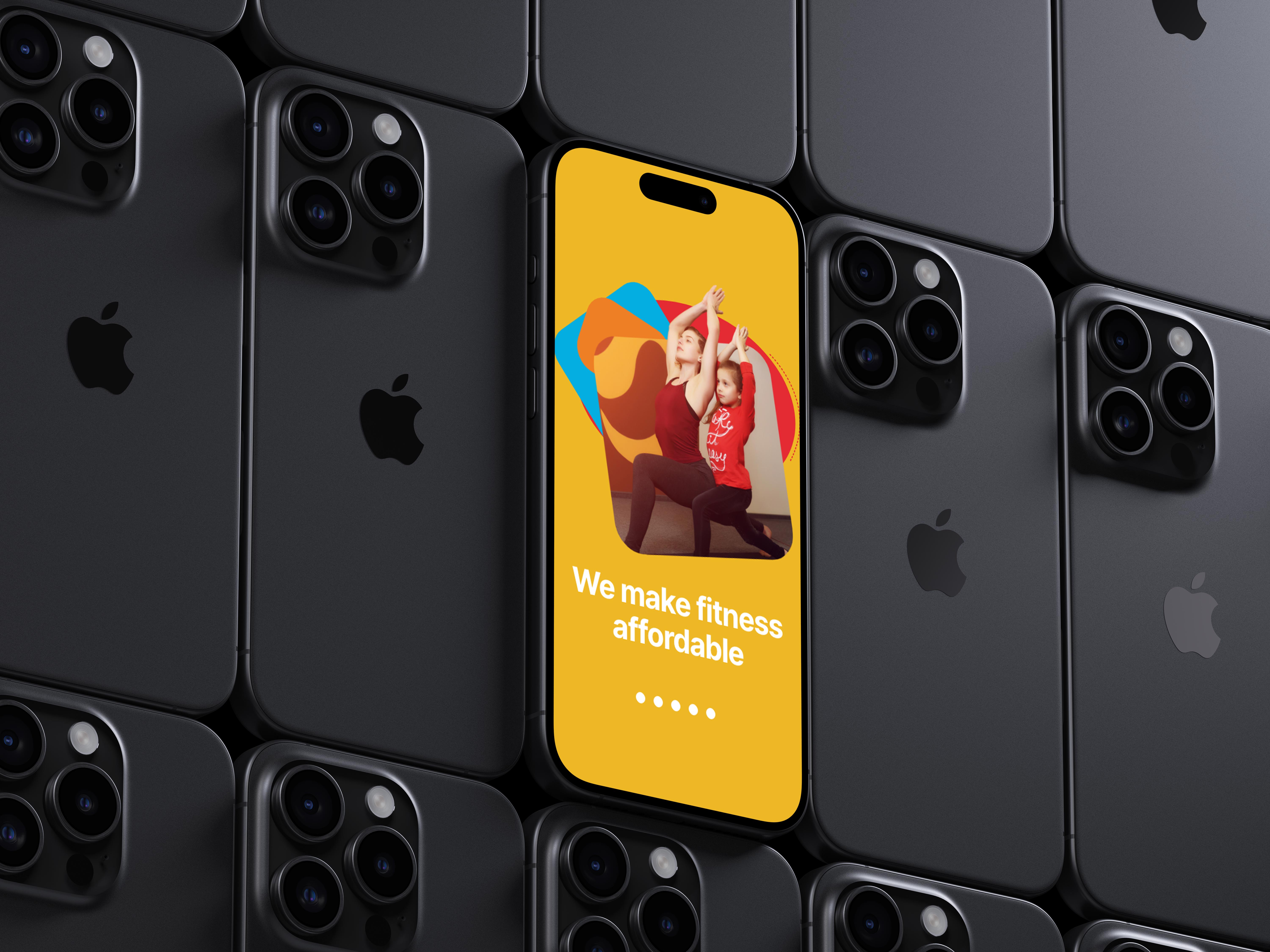
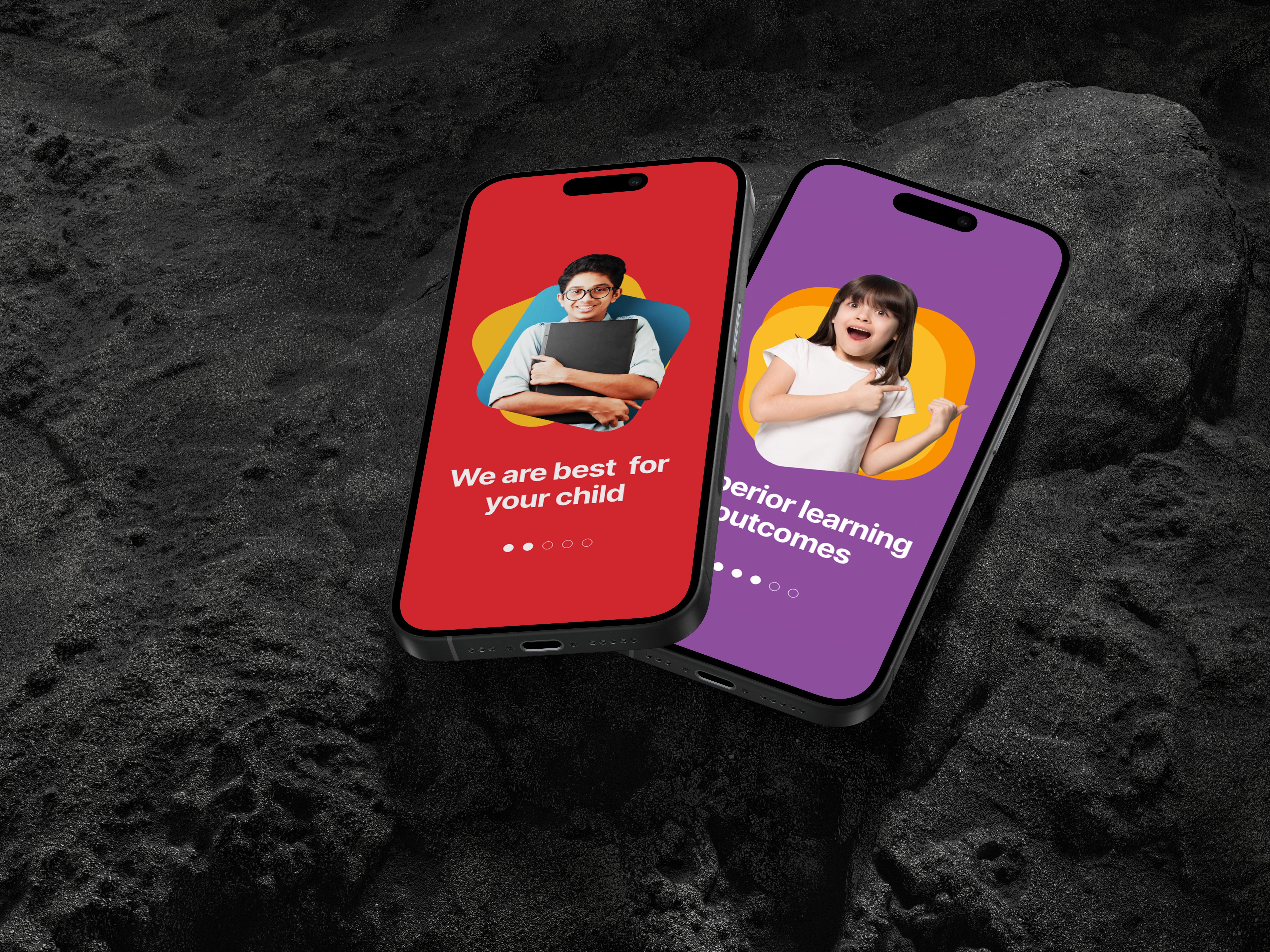
A cohesive style system that strengthens brand trust through consistent colour, typography, and imagery. The result: an elegant, approachable interface that communicates reliability and elevates user perception.
Challenges
Plufo faced key challenges in building a scalable and engaging digital learning platform: 1. Sustaining Student Engagement: Academic content needed to remain interactive and motivating over time. 2. Simplifying Multi-Subject Learning: Complex concepts across subjects required age-appropriate structuring. 3. Personalized Learning at Scale: Individual learning paths had to adapt without manual intervention. 4. Multi-Platform Consistency: Experiences needed alignment across student, teacher, and parent platforms.
Sustaining Student Engagement: Academic content needed to remain interactive and motivating over time.
Simplifying Multi-Subject Learning: Complex concepts across subjects required age-appropriate structuring.
Multi-Platform Consistency: Experiences needed alignment across student, teacher, and parent platforms. ### **
Personalized Learning at Scale: Individual learning paths had to adapt without manual intervention.
Solutions
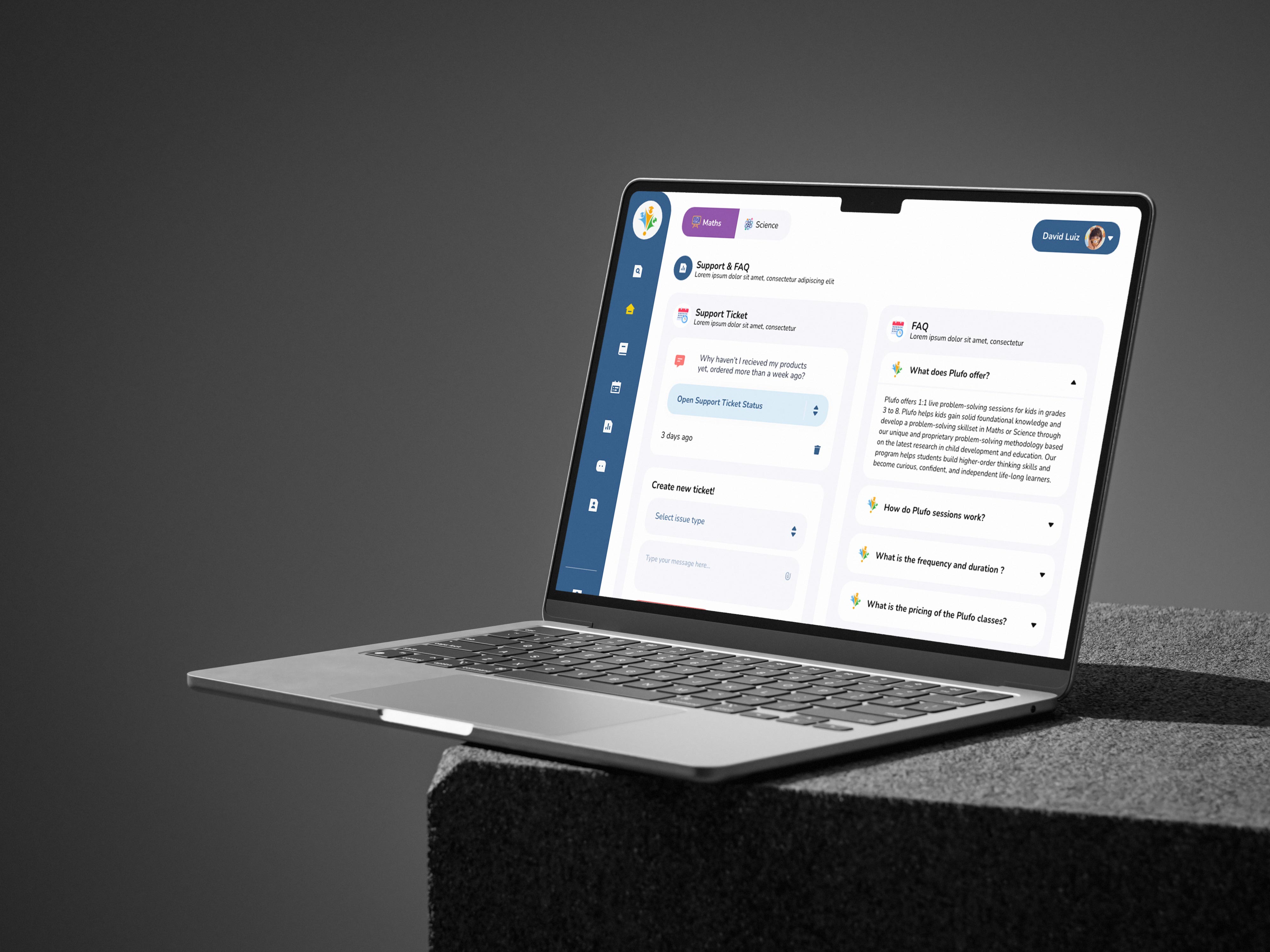
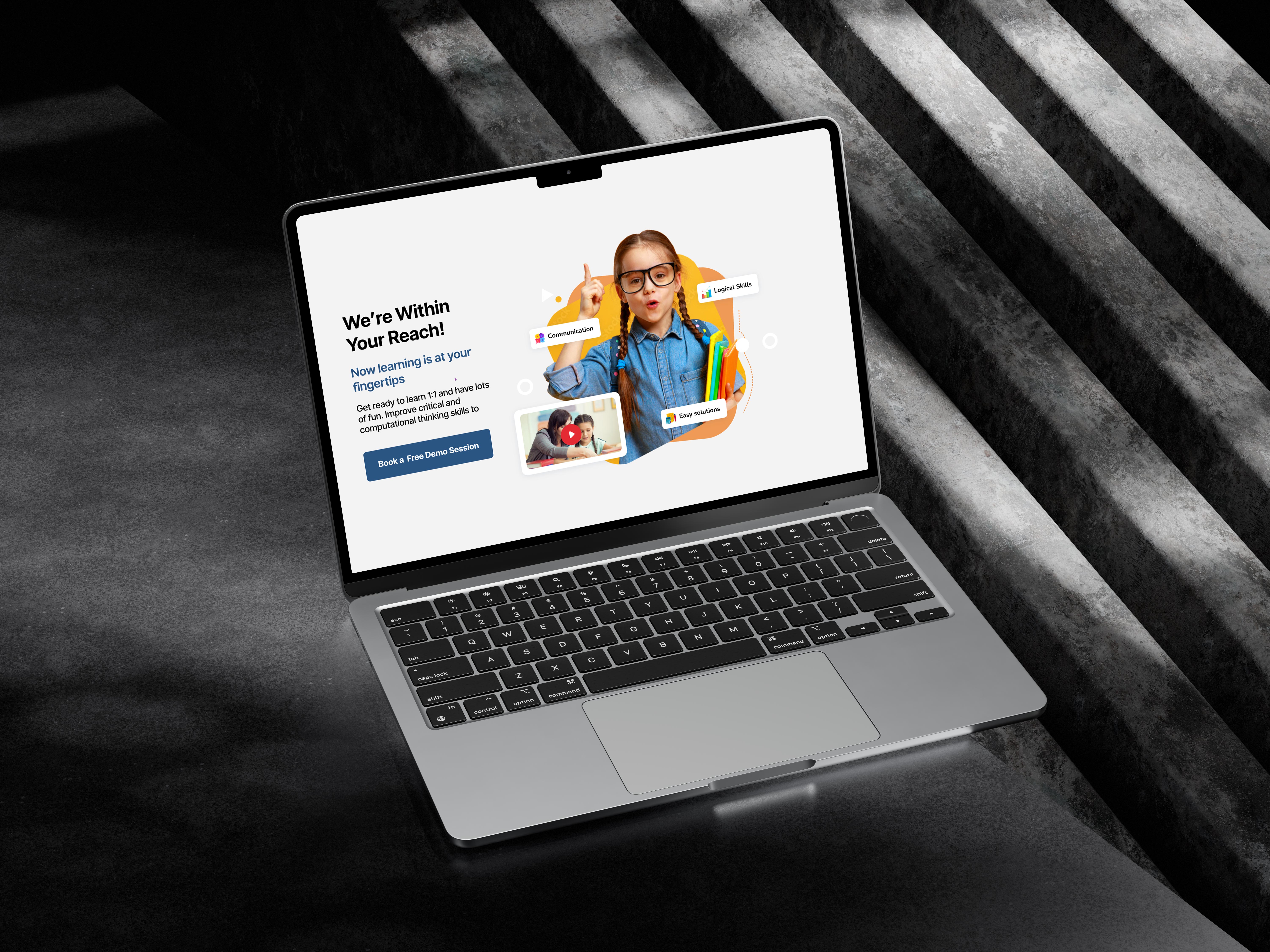
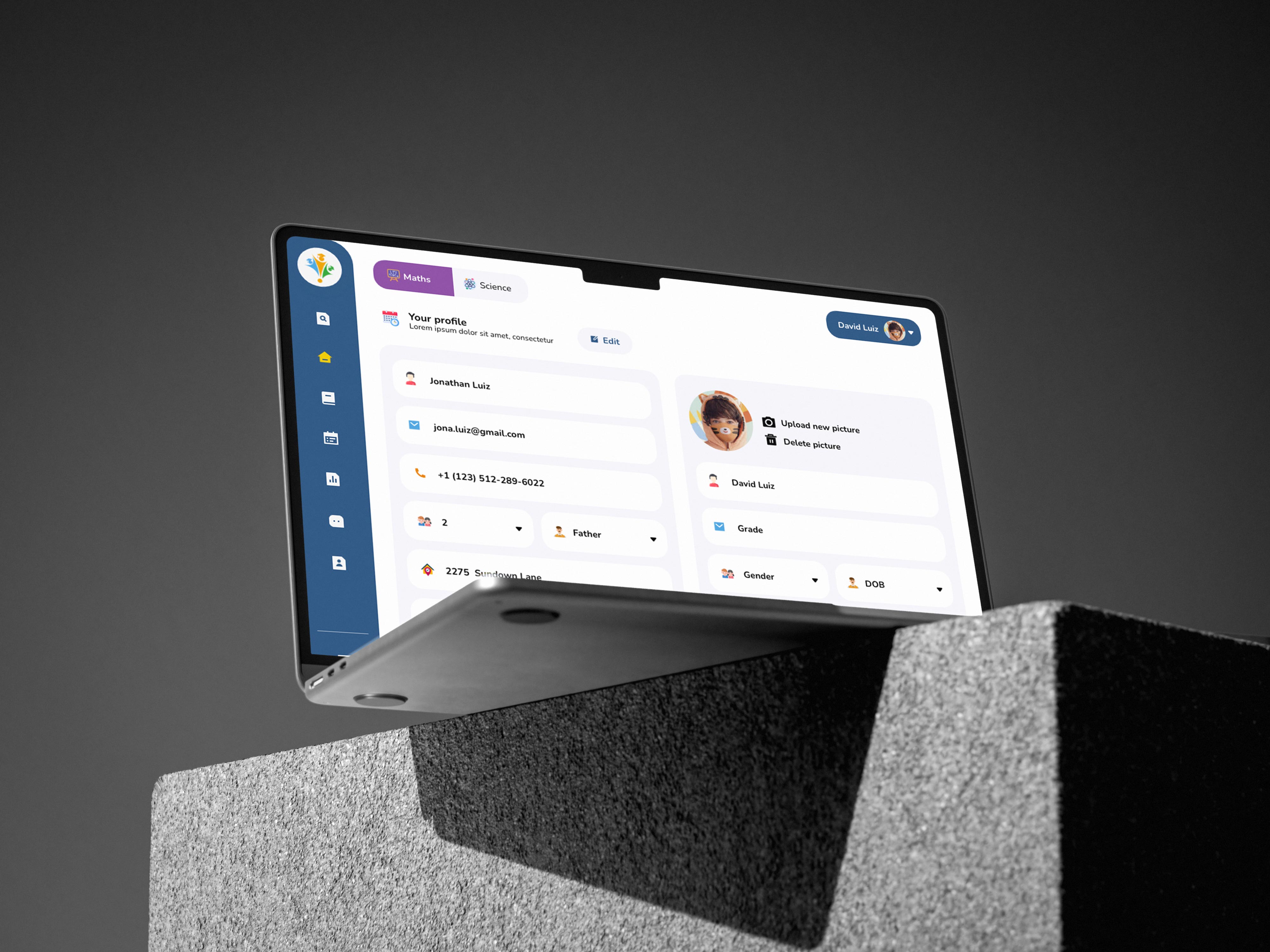
Wugweb partnered with Plufo to design and develop a unified, multi-platform EdTech ecosystem: 1. Playful Brand Identity: Created a child-friendly visual system applied consistently across platforms. 2. Gamified Student App: Built interactive lessons with quizzes, rewards, and progress tracking. 3. Teacher Enablement App: Designed dashboards for class insights, assignments, and performance analytics. 4. Parent Web Portal: Delivered a central platform for monitoring progress and managing subscriptions. 5. Cross-Platform UX Consistency: Unified interaction patterns and visual language across all products. 6. Adaptive Learning Design: Tailored experiences for students, parents, and educators.
Playful Brand Identity: Created a child-friendly visual system applied consistently across platforms.
Gamified Student App: Built interactive lessons with quizzes, rewards, and progress tracking.
Teacher Enablement App: Designed dashboards for class insights, assignments, and performance analytics.
Parent Web Portal: Delivered a central platform for monitoring progress and managing subscriptions.
Cross-Platform UX Consistency: Unified interaction patterns and visual language across all products.
Adaptive Learning Design: Tailored experiences for students, parents, and educators. ### **
Impact
The ecosystem significantly improved engagement, learning outcomes, and operational clarity: 1. Higher Student Engagement: Gamified learning increased motivation and active participation. 2. Improved Learning Outcomes: Adaptive pathways supported deeper understanding and personalization. 3. Empowered Educators & Parents: Clear tools enabled better guidance and oversight. 4. Scalable Market Positioning: A strong brand and architecture supported future growth.
Higher Student Engagement: Gamified learning increased motivation and active participation.
Improved Learning Outcomes: Adaptive pathways supported deeper understanding and personalization.
Empowered Educators & Parents: Clear tools enabled better guidance and oversight.
Scalable Market Positioning: A strong brand and architecture supported future growth. ### **

Strategic Insights & Design Philosophy
The project reinforced how thoughtful design can transform education: 1. Child-First UX: Learning experiences were designed around cognitive and emotional needs. 2. Triangular Ecosystem Design: Students, teachers, and parents were supported equally. 3. Scalability Through Systems: Unified platforms enabled long-term expansion and evolution.


Triangular Ecosystem Design: Students, teachers, and parents were supported equally.