

Anastasia Solovyova
categoryFilter
5 mins read
UX
In the vibrant realm of product design, a dynamic and sometimes funky dance takes place between fulfilling user needs and achieving your business goals. It's a delicate balance that requires finesse, creativity, and a touch of uniqueness.
In this blog, we'll explore the art of harmonizing user-centric design and business objectives to create products that not only meet customer expectations but also drive success for your organization. So, put on your dancing shoes and let's groove!
Understanding the User
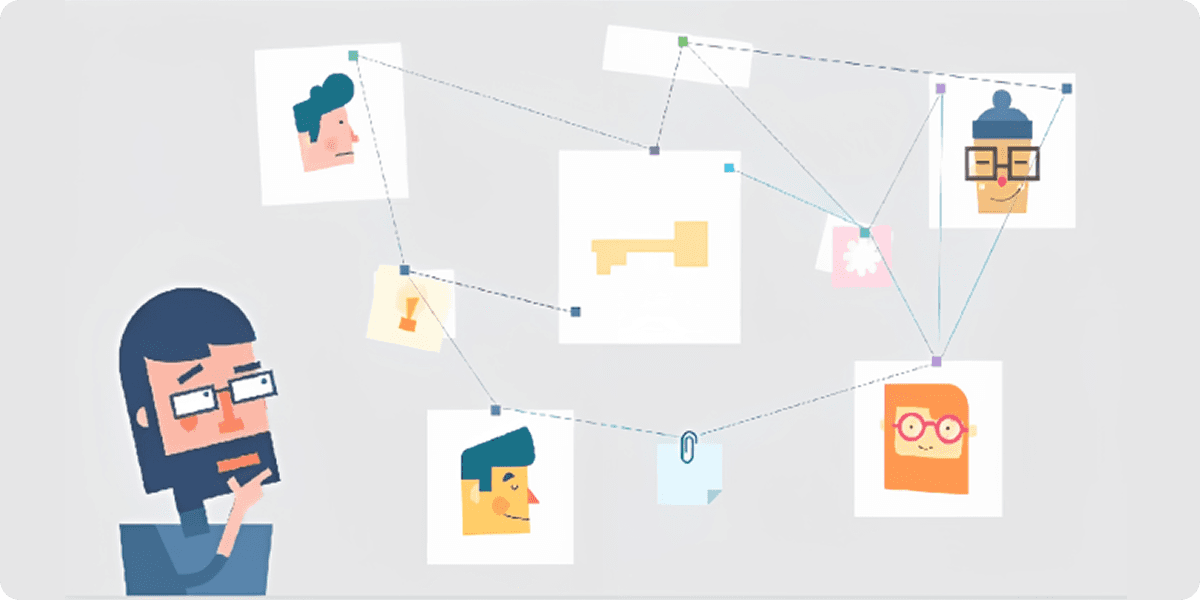
To design a product that resonates with users, it's essential to dive deep into their world. Conduct thorough user research, engage in empathy-building exercises, and create personas to truly understand their needs, desires, and pain points. By getting into the rhythm of your users' lives, you'll gain valuable insights that can guide your design decisions and ensure that your product addresses real-world challenges.
Defining Business Goals
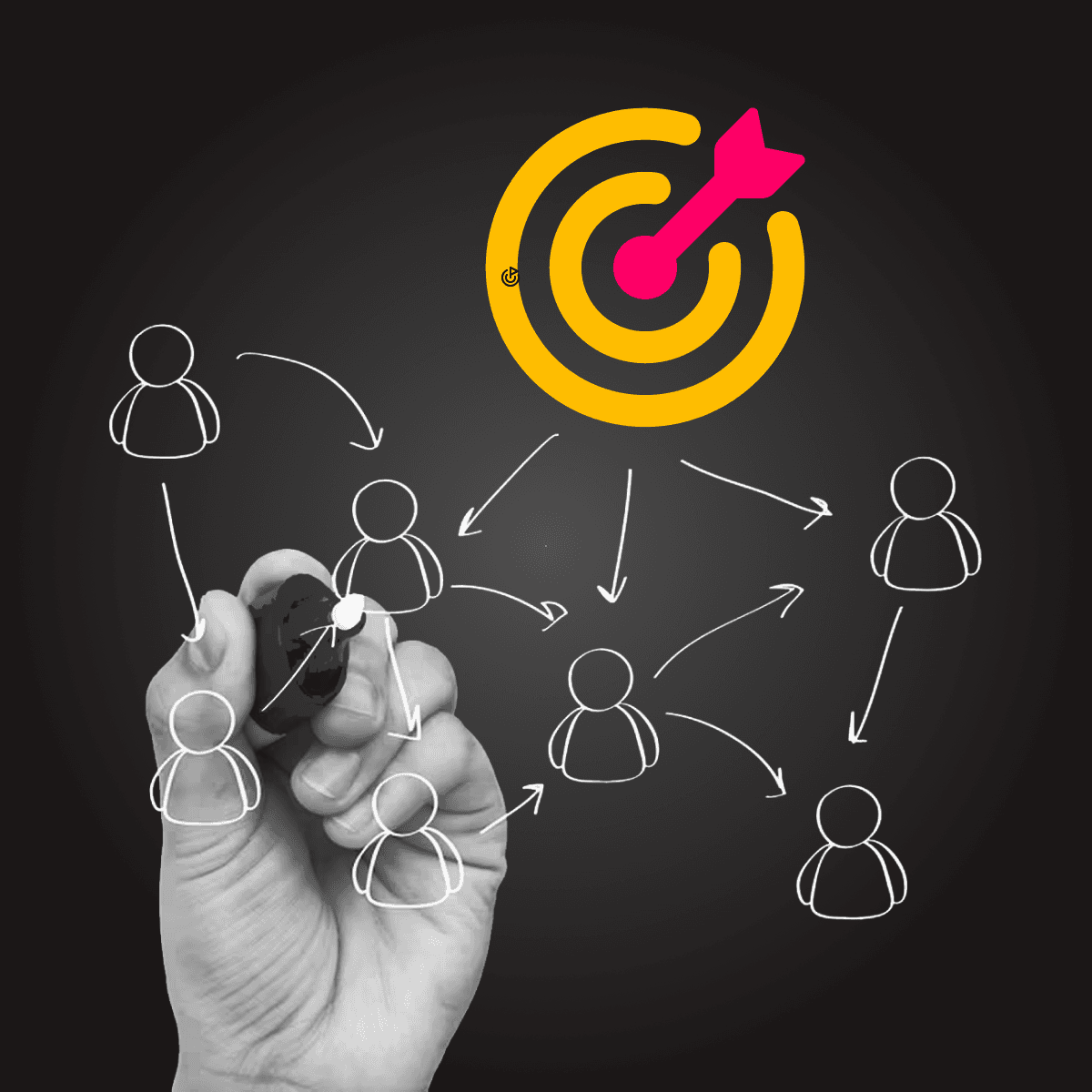
While catering to user needs is vital, it's equally important to align your product design with your business goals. What are you trying to achieve as an organization? Increased revenue, market expansion, customer retention? Identify these objectives and set measurable targets to guide your design process. Remember, your product needs to boogie to the beat of your business's long-term vision.
Creating a Harmonious Choreography

Once you've understood your users and defined your business goals, it's time to choreograph a design that blends both elements seamlessly. Here are a few funky moves to help you strike the right balance
a) Collaboration and Communication
Encourage cross-functional collaboration between designers, developers, marketers, and stakeholders. By maintaining open lines of communication, you can ensure that user insights are shared, and business objectives are integrated into the design process.
b) User-Centric Design Thinking
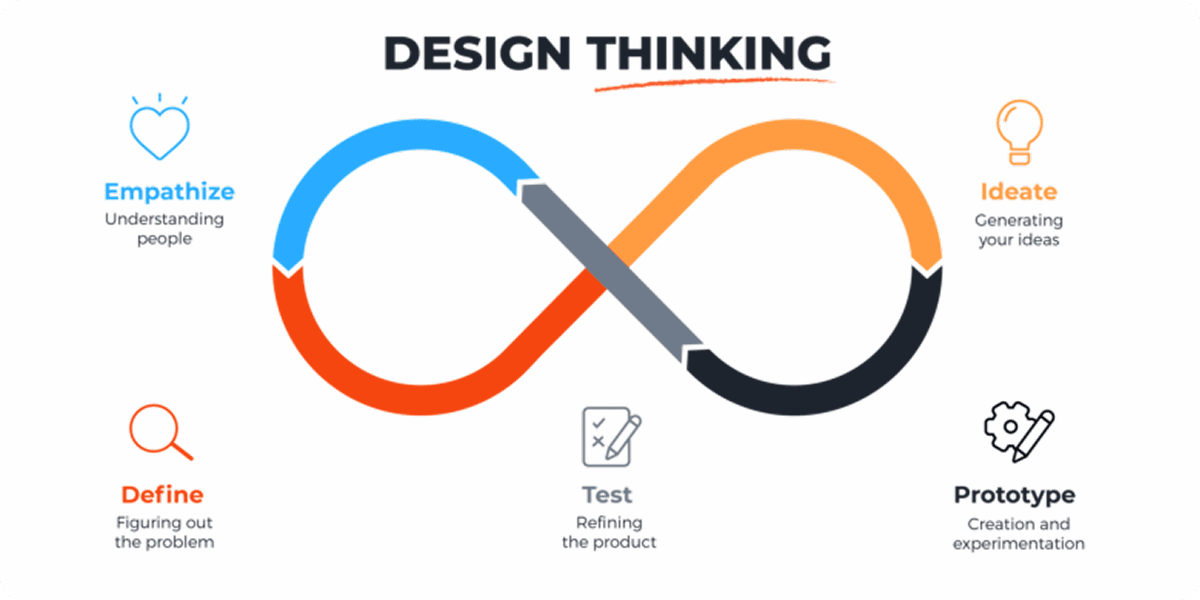
Apply design thinking principles to empathize, ideate, prototype, and test. This iterative process allows you to generate innovative solutions that meet user needs while keeping an eye on your business goals. Let your creativity flow freely as you explore unconventional ideas.
c) Prioritization
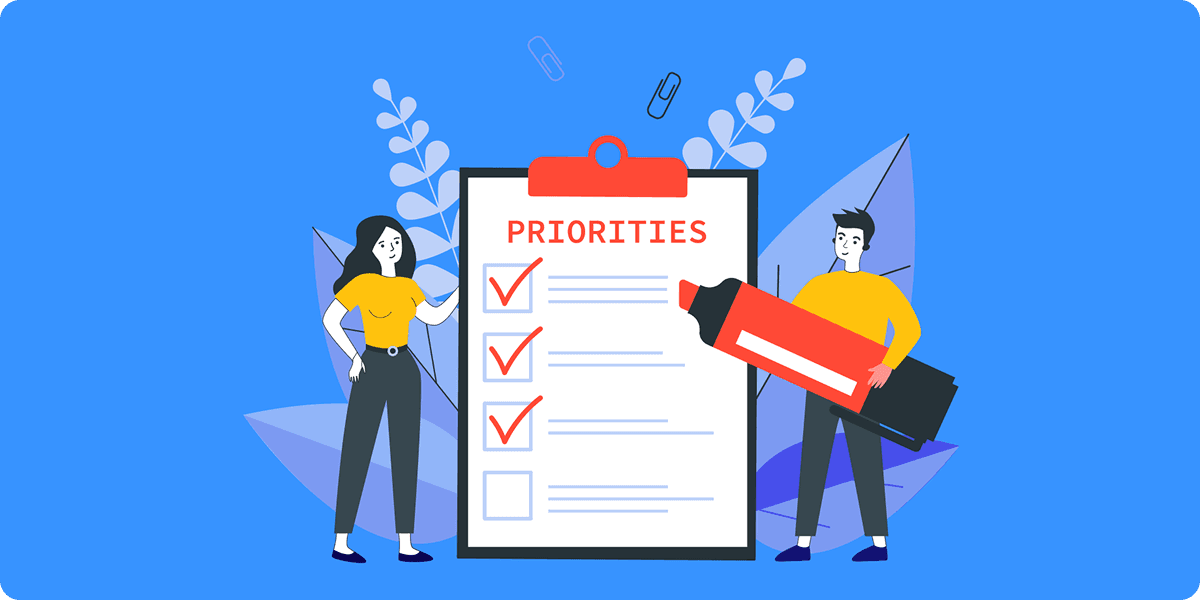
Not all user needs can be addressed simultaneously. Prioritize the features, functionalities, and improvements that align with your business goals and offer the most significant value to your target audience. Think of it as creating a catchy melody with the most captivating hooks.
d) Iterative Refinement
Just like a dance routine, your design may need refinement and adjustments along the way. Gather user feedback, analyze data, and make iterative improvements based on both user preferences and business metrics. Embrace the rhythm of continuous improvement to keep your product in sync with changing user demands.
Testing the Moves
To ensure that your design choreography is a hit on the dancefloor, it's crucial to test and validate your concepts. Conduct usability testing, A/B testing, and gather feedback from real users. This step allows you to fine-tune your design and make necessary adjustments before launching your product into the spotlight.
Automated Design Processes
AI can automate repetitive and time-consuming design tasks, enabling UX designers to focus on higher-level creative and strategic aspects. For example, AI-powered tools can generate design variations, create responsive layouts, or suggest color palettes based on user preferences and design principles. This automation streamlines the design process, increases productivity, and allows designers to iterate and experiment more efficiently.
In Conclusion
Designing products that strike the perfect balance between user needs and business goals is a thrilling dance that requires creativity, empathy, and adaptability. By harmonizing user-centric design thinking with strategic business objectives, you can create products that not only delight your users but also contribute to the success of your organization.
So, put on your best moves, embrace the funky rhythm of design, and let your product design become a dancefloor sensation that captivates users and drives your business forward. Keep grooving!
Tags:
UX, Business Goals, Product Design